
When it comes to lifting and moving heavy loads, hand winches and other material handling products have become essential tools in workshops, warehouses, and construction sites. But if you’re new to this world, you might be wondering: what exactly are winches, and what types are available? Let’s break it down in simple terms.
What are winches?
A winch is basically a mechanical device that helps you pull or lift heavy objects using a rope, cable, or chain. Think of it as your mechanical assistant that makes tough jobs easier. At V-talhoist, we understand that not everyone needs complicated machinery – sometimes you just need a reliable tool that gets the job done without fuss.
The beauty of a hand winch is its simplicity. You don’t need electricity or fuel. Just good old manual power to move loads safely and efficiently.
What are the different types of winches?
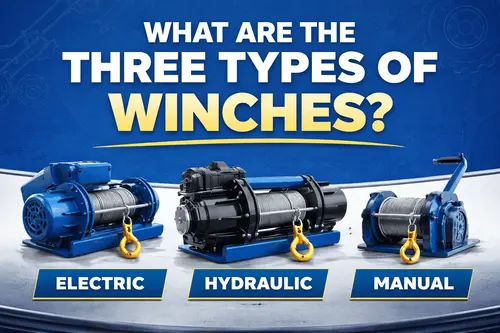
Winches come in three main categories based on how they’re powered:
Manual winches are the most straightforward option. These hand winches operate through human effort – you turn a handle, and the winch does its magic. They’re perfect for smaller jobs where you don’t have access to power sources. Construction workers and boat owners love them because they’re reliable and never run out of battery.
Electric winches use electrical power to do the heavy lifting. Just press a button, and the motor takes over. These are ideal when you’re dealing with really heavy loads regularly and want to save your energy for other tasks.
Hydraulic winches use fluid pressure to generate pulling force. You’ll often see these in industrial settings or on large vehicles. They’re incredibly powerful and can handle extreme weights with ease.
What is a 2 speed winch?
A 2 speed winch is like having two tools in one. It offers a low-speed, high-power mode for heavy loads, and a high-speed, lower-power mode for lighter work. Imagine it like the gears on a bicycle – you shift based on what you need at that moment.
When you’re pulling something really heavy, you switch to the slower gear for maximum strength. When the load is lighter, you can speed things up to save time. This versatility makes 2 speed winches popular among professionals who handle various material handling products daily.
What are the three types of mooring?
While we’re talking about winches, it’s worth mentioning mooring since winches are commonly used in marine applications. The three main mooring types are:
Bow and stern mooring – where your boat is tied at both ends Alongside mooring – when the boat sits parallel to a dock Swinging mooring – where the boat rotates around a single anchor point
Each method uses different material handling products and techniques, but winches often play a crucial role in securing vessels properly.
What are the three types of ropes?
The rope you choose for your winch matters just as much as the winch itself. Here are the three common types:
Natural fiber ropes like manila are traditional and eco-friendly but can wear out faster when exposed to weather.
Synthetic ropes made from nylon or polyester are strong, lightweight, and resist rot and mildew. They’re excellent for most hand winch applications.
Wire ropes (steel cables) offer maximum strength and durability. They’re tough but heavier and can be harder to handle.
Which winch line is best?
For most everyday applications with a hand winch, synthetic rope is your best friend. It’s safer to handle than wire rope, doesn’t rust, and performs well in various conditions. However, if you’re in heavy industrial work, wire rope might be necessary for its superior strength.
At V-talhoist, we recommend choosing based on your specific needs. Think about what you’re lifting, how often, and in what conditions. Our material handling products are designed to work with various rope types, giving you flexibility in your operations.
Remember, the right winch combined with proper rope and regular maintenance will serve you reliably for years. Whether you’re securing boats, moving equipment, or handling construction materials, understanding these basics helps you make smarter choices for your work.