
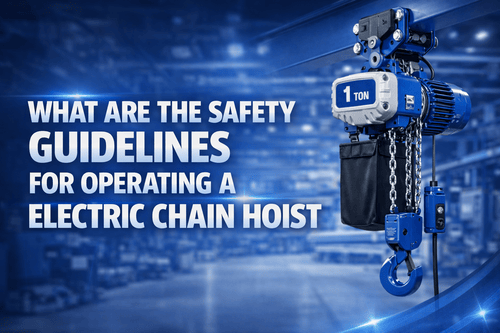
When it comes to lifting heavy loads, safety should never be taken lightly. Whether you’re working in a warehouse, construction site, or workshop, using lifting equipment the right way makes all the difference. At V-talhoist, we believe that safe usage is just as important as strong performance.
Let’s break down the safety guidelines in a simple and practical way so anyone can understand and follow them easily.
| Safety Step | What to Do | Why It Matters |
|---|---|---|
| Pre-use inspection | Check chain, hook, and controls | Prevents sudden failure |
| Load capacity | Never exceed weight limit | Avoids damage and accidents |
| Proper positioning | Keep load balanced and stable | Prevents swinging or falling |
| Safe operation | Use smooth controls, no sudden movements | Ensures controlled lifting |
| Area awareness | Keep people away from lifting zone | Reduces risk of injury |
| Regular maintenance | Service equipment on time | Keeps performance reliable |
1. Always Inspect Before Use
Before starting any lifting work, take a few minutes to check the hoist. Look for worn-out chains, loose hooks, or any unusual sounds. Even a small issue can turn into a big problem if ignored.
A quick inspection ensures everything is working properly and gives you peace of mind while operating.
2. Never Overload the Hoist
Every hoist has a fixed lifting capacity. Going beyond that limit is risky and can damage the machine or cause serious accidents.
Make sure you know the weight of the load and keep it within the recommended limit. It’s always better to be safe than sorry.
3. Keep the Load Balanced
When lifting, ensure the load is properly centered and balanced. An uneven load can swing or tilt, making it difficult to control.
Use proper slings or attachments to secure the load. A stable lift is always a safer lift.
4. Operate Smoothly and Carefully
Avoid sudden lifting or dropping movements. Use the controls gently and steadily. Smooth operation not only protects the equipment but also keeps the surroundings safe.
Rushing the process often leads to mistakes, so take your time and stay focused.
5. Keep the Area Clear
Never allow people to stand under or near a lifted load. Even with the best equipment, accidents can happen.
Mark the working area if needed and make sure everyone maintains a safe distance during operation.
6. Use Trained Operators Only
Handling lifting equipment requires basic knowledge and awareness. Only trained or experienced individuals should operate it.
Proper training reduces errors and ensures that all safety steps are followed correctly.
7. Regular Maintenance is a Must
Like any machine, a hoist needs proper care. Regular servicing keeps it in good condition and extends its life.
Lubricate the chain, check the motor, and replace worn-out parts on time. This keeps the electric chain hoist running smoothly and safely.
8. Avoid Side Pulling
Always lift loads vertically. Pulling from an angle puts extra stress on the chain and hook, which can cause damage.
Straight lifting ensures better control and reduces strain on the equipment.
9. Stay Alert During Operation
Distractions can be dangerous when handling heavy loads. Stay focused and aware of your surroundings at all times.
If something feels wrong, stop immediately and check the issue before continuing.
Final Thoughts
Safety is not complicated—it’s about following simple steps every time you use the equipment. By maintaining good habits and staying cautious, you can avoid most common risks.
At V-talhoist, we encourage safe and smart usage to help you get the best performance without compromising on safety. A little attention today can prevent major problems tomorrow.
Can untrained workers operate a hoist?
No, only trained individuals should handle it for safe operation.
How often should maintenance be done?
Regular checks should be done before use, with full servicing scheduled periodically.